


A cleft lip and palate is one of the most common congenital conditions worldwide. About one in every 700 children is born with it.
In countries with well-developed healthcare systems, this condition can be detected early and treated successfully.
But in many regions of the world, the necessary care is lacking: children remain untreated, parents lose hope – and what is medically treatable becomes a lifelong burden.

Cleft-Children International CCI addresses this very gap. We give children born with cleft lip and palate a future – medically, humanely, and sustainably.
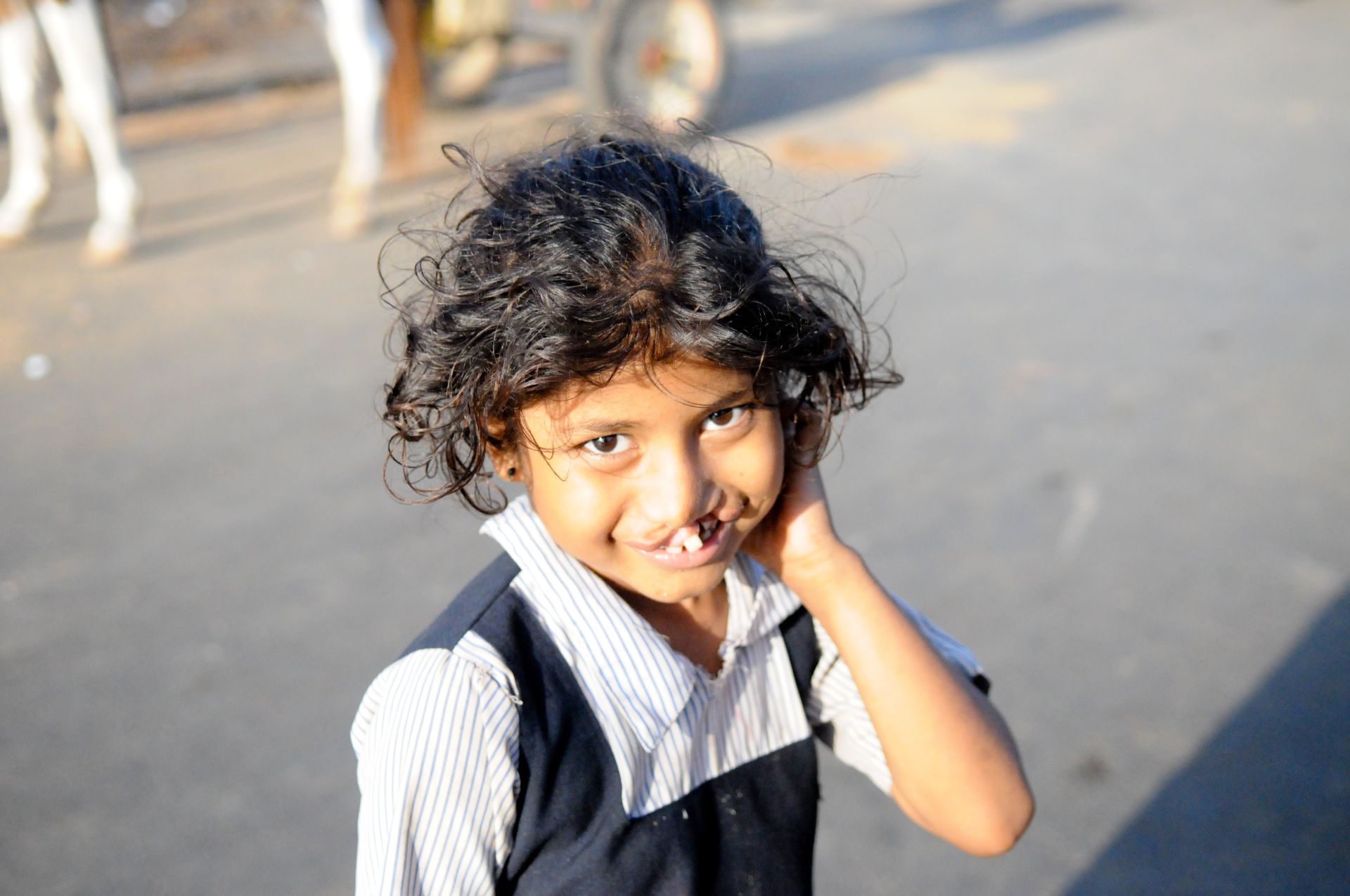
During early pregnancy – roughly between the fourth and ninth week – he structures of the face and the oral cavity begin to form.
In this critical phase, the separate parts – lip, jaw, and palate – gradually grow toward one another and fuse into a closed, continuous structure.
If this developmental process is incomplete, a cleft of the lip, the jaw, or the palate occurs – in some cases a combination of all three.
Its presentation ranges from a small, barely noticeable opening to a pronounced separation that can significantly impair breathing, feeding, speech, and facial appearance.
Despite its sometimes severe effects, a cleft lip and palate is highly treatable today – provided that children receive timely and appropriate medical care.
The development of a cleft lip and palate usually does not have a single cause.
It results from a complex interaction of several influences – what specialists refer to as a multifactorial origin.
This means that genetic, nutritional, and environmental factors can combine to interfere with the complete fusion of facial structures during early pregnancy.

Some of the most common contributing factors include:
What matters most is this: Parents are not to blame.
A cleft occurs by chance – it is neither a mistake nor a punishment.

Worldwide, about one in every 700 newborns is born with a cleft lip, cleft palate, or both.
In countries where poverty, malnutrition, or inadequate prenatal care are widespread, the condition occurs significantly more often.
At the same time, access to specialized surgical treatment is often lacking.
It is estimated that more than five million people worldwide live with an untreated cleft lip and palate – even though surgery could enable an almost normal life in most cases.
«A cleft lip and palate is not fate, but a challenge we can meet with knowledge and responsibility.»
Prof. Dr. Dr. Hermann F. Sailer
An untreated cleft lip and palate is far more than a cosmetic issue. It affects nearly every aspect of a child’s life – medically, socially, and psychologically.
The impact of a cleft becomes apparent in the very first days of life. Many affected babies struggle with breastfeeding because the gap prevents them from creating enough suction. Later, they often have difficulty drinking or eating solid food. This can lead to malnutrition and impaired physical development.

Frequent middle ear infections are also common due to altered anatomy; if left untreated, they can result in hearing loss. Speech development is often affected as well – children may speak unclearly or nasally, which makes communication even more challenging.
Over time, dental misalignments, breathing problems, or recurrent infections of the nose and throat may occur. Each of these complications can significantly reduce a child’s physical well-being – even though they could be prevented through timely surgery.

Beyond physical challenges, the social impact is often particularly severe. Children with a visible facial difference frequently face teasing, rejection, or exclusion. Many develop deep feelings of shame and insecurity early on and withdraw from school and social life.
In some cultures, affected children may be stigmatized or even abandoned, as the condition is wrongly perceived as a curse or punishment.
Thus, what is medically treatable becomes a lifelong burden of social isolation.
Constant exposure to physical limitations and social rejection leaves emotional marks.
Many children and their families suffer from anxiety, isolation, or depression.
Parents often feel overwhelmed and helpless – especially when medical or psychosocial support is lacking. In such situations, an entire family can fall into deep emotional crisis, affecting relationships, educational opportunities, and long-term life prospects.
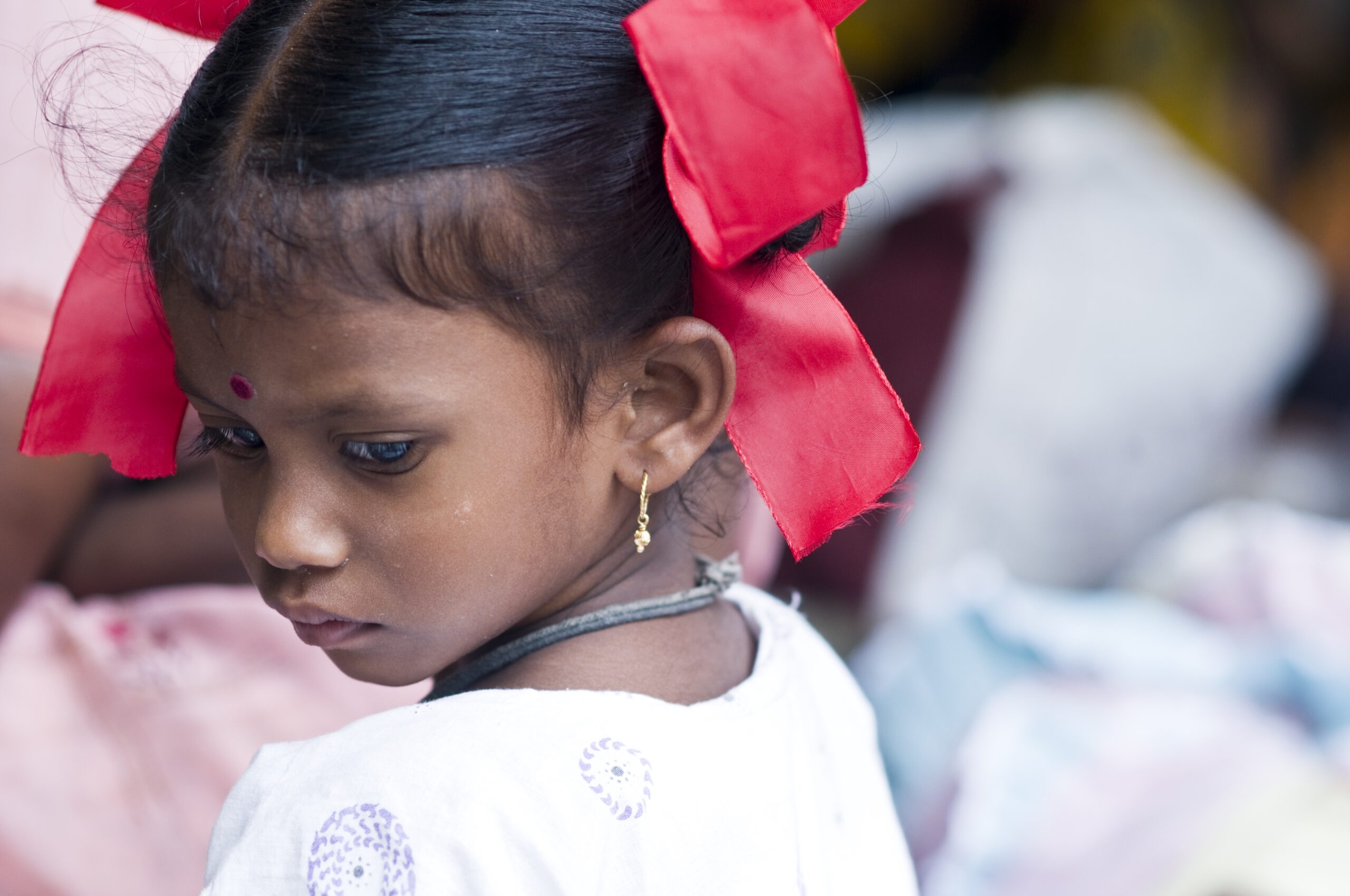

Despite these challenges, there is hope. With timely surgery and follow-up therapy, children with a cleft lip and palate can lead healthy, self-determined lives – they can speak, laugh, eat, and dream like any other child.
Every successful treatment changes more than a child’s face – it transforms their entire life and gives families renewed courage and confidence.
«For us, every child matters – regardless of origin or circumstance. Behind every cleft is a person with dreams, courage, and dignity.»
Dr. h.c. Erika Sailer
A cleft lip and palate is fully treatable. Successful care requires surgical precision, patient follow-up, and holistic support. Thanks to modern medicine and interdisciplinary collaboration, affected children today can lead healthy, confident lives.
Surgical correction forms the foundation of cleft care. The first operation – closure of the lip – can often be performed between three and six months of age. This not only improves appearance but also establishes the basis for healthy feeding and speech development.
As the child grows, additional procedures may follow – such as closure of the palate, reconstruction of the alveolar bone, or nasal correction to further refine function and aesthetics.
Every operation is planned individually, depending on the type and severity of the cleft, the child’s overall health, and their specific needs. The goal is always the same: step by step, to achieve the most natural and functional result possible.
«A single operation can change a child’s life – but true healing arises only when hope, knowledge, and humanity come together.»
Prof. Dr. Dr. Hermann F. Sailer
After surgery begins an equally important phase: comprehensive follow-up care.
This includes regular speech therapy to help children improve articulation and use their voices clearly and confidently.
Nutritional counseling supports parents in ensuring a balanced diet and promoting healthy growth.
Dental and orthodontic care play a central role in correcting misalignments and guiding optimal development.
Equally important is psychosocial support, which strengthens children’s confidence and helps families cope with emotional challenges.
«Help begins with the decision not to look away. Every effort for a child makes a future possible.»
Dr. h.c. Erika Sailer
Successful cleft care is always a team effort. It brings together expertise from multiple disciplines – surgery, speech therapy, dentistry, nutrition, and psychology – into a comprehensive treatment plan.
Only through this collaboration can lasting healing be achieved.
This is precisely the interdisciplinary approach followed by Cleft-Children International CCI in its treatment centers around the world.
With medical expertise, long-term support, and a deep understanding of the needs of children and their families, CCI restores courage – and offers the chance for a future full of smiles.
A single operation often takes less than two hours – but its impact lasts a lifetime.
A child who once struggled to speak, eat, or smile gains the ability to participate in life again: to communicate, to learn, to dream.
Families regain courage and trust – and entire communities come to understand that healing and hope are possible.